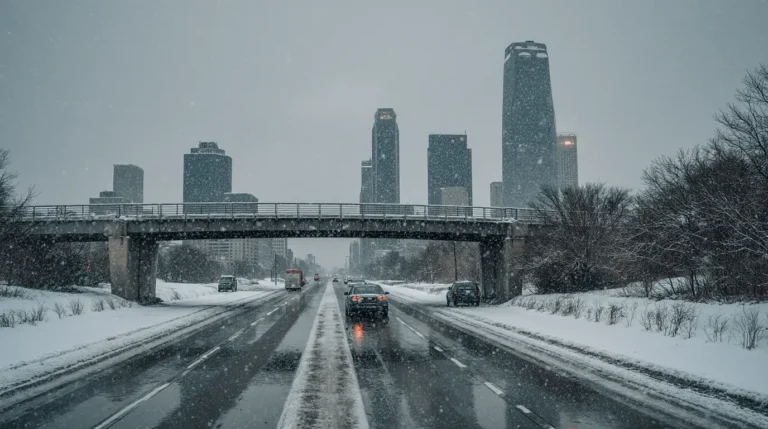
February 2021’s Ice Storm When Texas Froze
Last week, my friend Carlos from Houston called me, and his voice still shakes when he talks about February 2021’s Ice Storm. “I never thought I’d see Texas ice storm conditions like that in my lifetime,” he said. “Four days without power, pipes bursting everywhere, and my kids asking why it was colder inside our house than outside.” Sound familiar if you lived through it? You’re definitely not alone in those memories.
Here’s the thing – what happened during the February 2021 Texas freeze wasn’t just another winter storm. It was a catastrophic event that revealed how unprepared an entire state could be for extreme weather. And honestly, the stories that emerged from those dark, frozen days will haunt Texas forever.
Table of Contents
Why This Storm Still Matters Today
Something amazing happens when you dig into the real story behind Winter Storm Uri. You discover it wasn’t just about ice and snow – it was about a perfect storm of infrastructure failures that nearly brought Texas to its knees.
My neighbor Jessica, who moved to Austin from Minnesota, kept saying, “This is nothing compared to what we get up north.” But here’s what shocked her: Texas winter weather preparation was practically nonexistent. That revelation changed everything about how she viewed living in the South.
I’ve watched friends get genuinely emotional talking about those five days in February. The Houston ice storm 2021 wasn’t just weather – it became a defining moment that showed how quickly modern life can collapse when the power goes out.
The Numbers That Tell the Real Story
Let me break down exactly what happened during the Texas power grid failure February 2021, because the statistics are absolutely staggering:
The Temperature Drop: Six degrees Fahrenheit in Houston – a city where people own flip-flops but not snow boots. For context, that’s colder than it got in Anchorage, Alaska that same week.
The Power Crisis: 4.5 million homes and businesses lost electricity. The grid was literally four minutes and 37 seconds away from complete collapse, which would have meant months of blackouts instead of days.
The Human Cost: 246 people died. Not bad, right? Actually, that’s devastating – more deaths than Hurricane Harvey caused in 2017.
What Actually Happened Hour by Hour
Day 1: February 13-14 – “This Looks Serious”
My friend Roberto in Dallas texted me Saturday night: “Temps dropping fast. Schools already calling snow days for Monday.” Little did anyone know this was just the beginning.
The snow day predictions Texas were initially optimistic. People figured they’d get a fun weekend of sledding and then back to normal. If only they’d had access to an accurate snow day calculator that could have predicted the extended closure timeline.
Day 2-3: February 15-16 – “Holy Crap, We’re in Trouble”
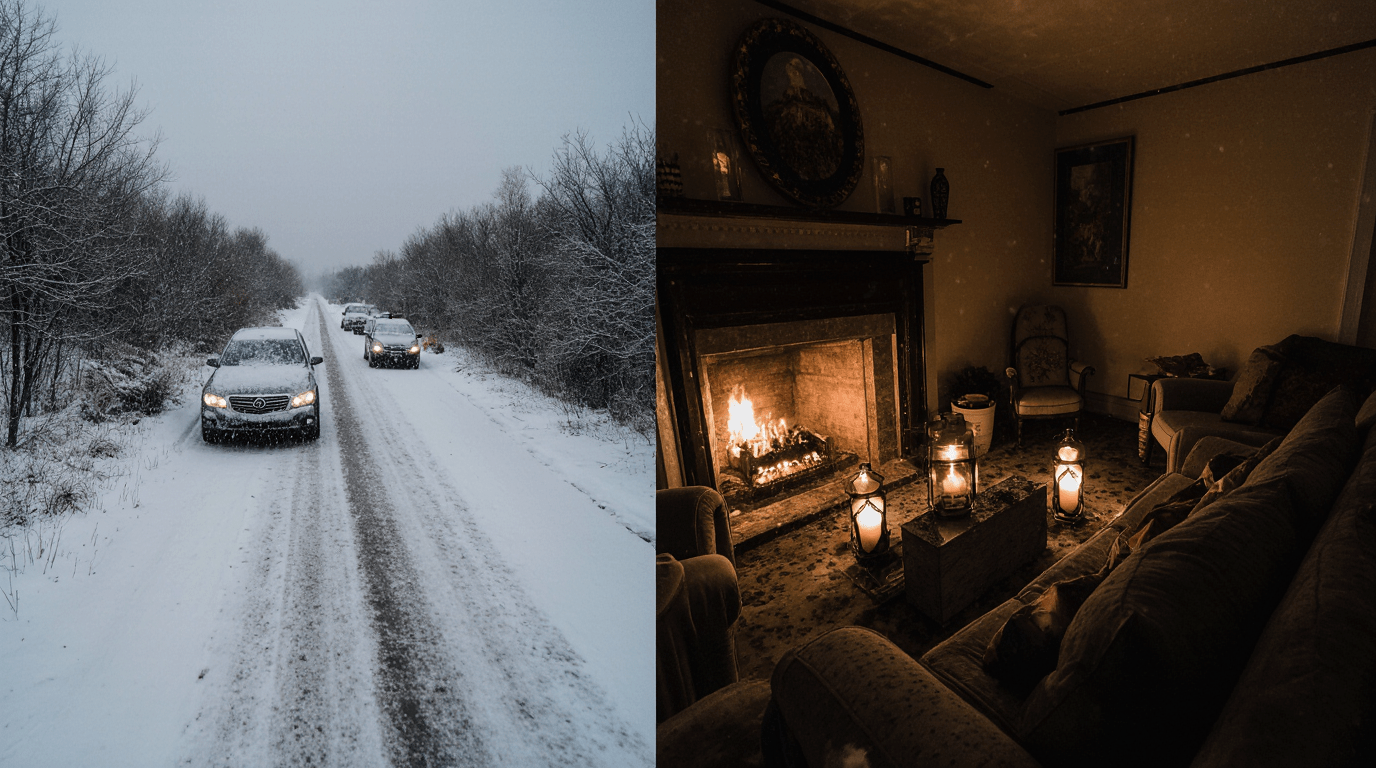
This is when things got real. Freezing rain created invisible ice sheets on every road. I-35 West in Fort Worth turned into a 100-car pile-up nightmare. The Texas ice storm damage was mounting by the hour.
Carlos described his neighborhood: “Every street looked like a hockey rink. Cars abandoned everywhere. And that’s when our power went out.”
Day 4-5: February 17-18 – “Survival Mode Activated”
The Austin winter storm 2021 brought something Texans had never experienced: genuine survival conditions in their own homes. People burned furniture to stay warm. Families moved into cars to run the heater for a few minutes at a time.
My colleague Sandra from San Antonio told me, “We melted snow in pots to flush toilets. In Texas! Makes zero sense, but that was our reality.”
Day 6: February 19 – “Light at the End of the Tunnel”
Power slowly returned, but the Texas freeze infrastructure damage was catastrophic. Burst pipes everywhere. Water treatment plants offline. Grocery stores empty.
The Mistakes That Made Everything Worse
Here’s what shocks me – most of the Texas winter storm preparation failures were completely preventable:
The Grid Wasn’t Winterized. Natural gas lines froze. Wind turbines iced over. Nuclear plants shut down. Everything failed simultaneously because nobody planned for extended freezing temperatures.
Emergency Communication Broke Down. People had no idea when power would return. The uncertainty was almost worse than the cold itself.
Supply Chains Collapsed Instantly. Houston’s grocery stores – normally stocked for hurricanes – were caught completely off guard by panic buying for winter conditions.
The Psychology of Surviving the Unthinkable
In my experience, the Texas ice storm February 2021 created a unique form of trauma. Unlike hurricanes, which Texans understand and prepare for, this was completely foreign territory.
Something I’ve noticed about people who lived through those days – they develop what I call “winter awareness.” They keep emergency supplies year-round now. They understand that extreme weather Texas isn’t limited to tornadoes and hurricanes.
My friend Lisa started tracking weather patterns obsessively after February 2021. She uses weather prediction tools and even checks snow day calculator forecasts during winter months, despite living in Houston where snow days were historically nonexistent.
Lessons That Actually Saved Lives
Community Became Everything. Neighbors who barely spoke before the storm were sharing generators and checking on elderly residents hourly.
Simple Preparation Made Huge Differences. People with battery packs, canned food, and extra blankets fared dramatically better than those caught unprepared.
Information Was Power. Families who could track weather patterns and school closure predictions using tools like reliable snow day calculators made better decisions about when to evacuate to warming centers.
Alternative Heat Sources Required Planning. Fireplaces that hadn’t been used in years became lifelines, but only for people who had seasoned firewood stored.
How Texas Changed Forever
Honestly, something profound shifted in Texas after February 2021. The Texas winter weather conversation completely transformed from “we don’t get winter” to “we need to be ready for anything.”
Infrastructure Improvements: The state invested billions in grid winterization. Power companies now have mandatory cold weather preparations.
Personal Preparedness: Hardware stores report massive increases in generator sales, emergency supply purchases, and whole-house battery system installations.
Weather Awareness: Texans now pay attention to winter storm predictions with the same intensity they reserve for hurricane season. Tools like advanced snow day calculators have become genuinely useful for Texas families planning around potential school closures and power outages.
Your Winter Preparedness Action Plan
Something I’ve learned from talking to February 2021 survivors – the time to prepare is now, not when the weather forecast shows trouble coming.
Build Your Emergency Kit: Water, non-perishable food, battery-powered radio, flashlights, extra batteries, warm blankets, and a portable phone charger.
Develop Your Communication Plan: How will your family stay in touch if cell towers fail? Where will you meet if you can’t stay home?
Monitor Weather Patterns: Use reliable forecasting tools to track potential winter weather. A good snow day calculator can help you plan ahead for school and work closures before they’re officially announced.
Identify Backup Power Sources: Whether it’s a generator, battery system, or simply knowing where your nearest warming center is located.
The Stories We’ll Never Forget
The Houston ice storm 2021 created thousands of individual stories of survival, loss, and unexpected heroism. Carlos still talks about the neighbor who shared his generator power cord between four houses, rotating every two hours so everyone could run their heat.
Sandra remembers the grocery store manager who stayed open 24/7, sleeping in his office to serve the community even without power. These human connections became the real story behind the weather disaster.
Ready to make sure you’re prepared for whatever winter weather Texas throws at us next? Start by understanding when schools and businesses are likely to close using accurate prediction tools. The confidence you’ll gain from being prepared is totally worth the effort.
FAQ
Q: Could another ice storm like February 2021 happen again in Texas?
A: Absolutely. Climate experts say extreme weather events are becoming more frequent. The difference is Texas is now better prepared infrastructure-wise, but personal preparedness remains each family’s responsibility.
Q: How can I predict when schools will close for winter weather in Texas?
A: While official announcements come from school districts, weather prediction tools and snow day calculators can help you plan ahead by analyzing temperature, precipitation, and timing patterns that typically trigger closures.